UAV design and fabrication
CARO designs and fabricates UAV structures with an integrated airframe as the basic concept, and has completed actual flight-performance testing. Flight-test photographs and videos are available.
 한국어
UAV & AEROSPACE
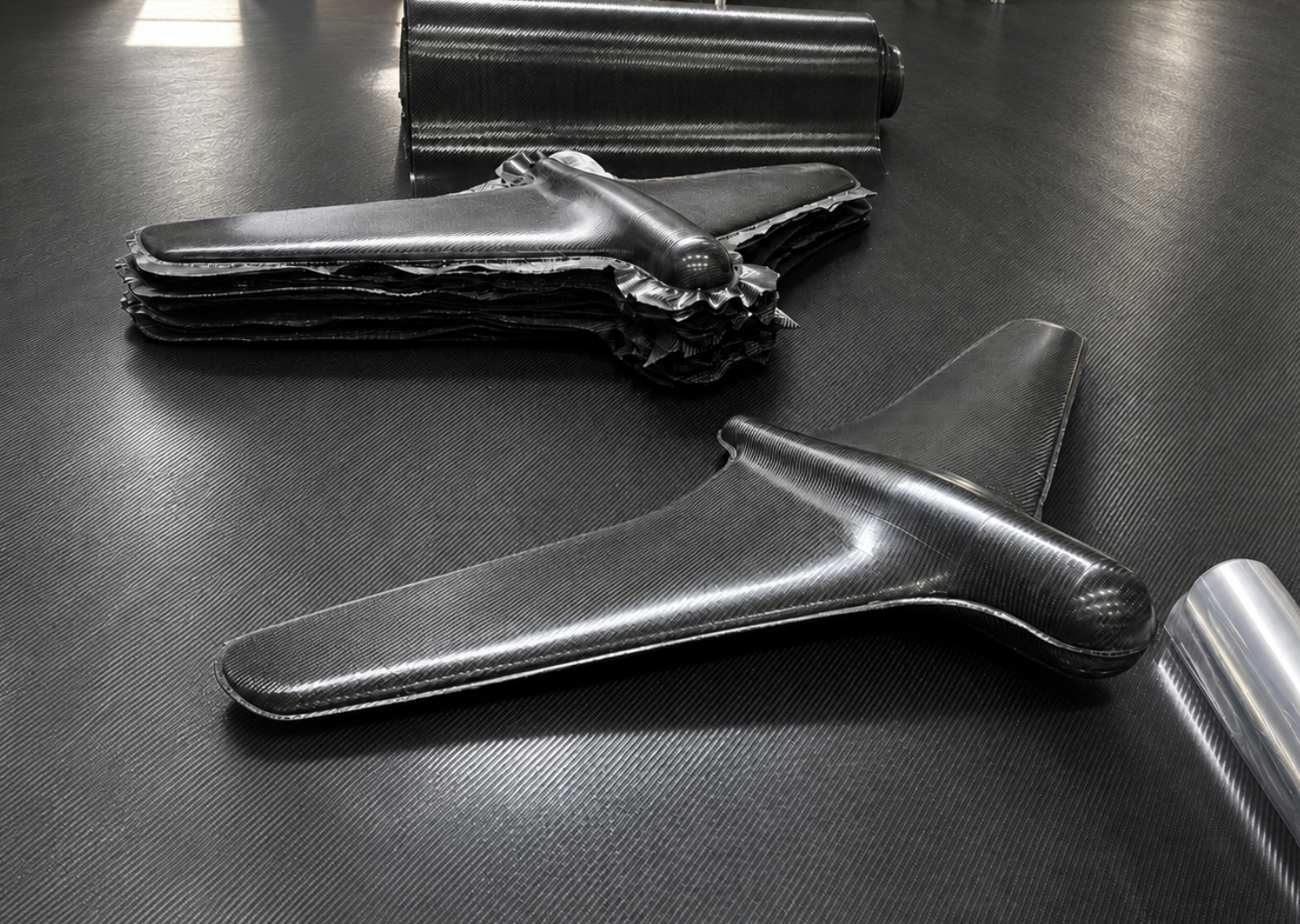
We manufacture UAV airframes using thermoplastic composites and tool-based compression molding.
By connecting material and layup design with forming, assembly and manufacturing automation, we provide a manufacturing foundation for repeatable quality and expansion to mass production.
CARO designs and fabricates UAV structures with an integrated airframe as the basic concept, and has completed actual flight-performance testing. Flight-test photographs and videos are available.
Depending on the design, individual fuselage, wing, aileron and battery-case structures are also within the development scope.
THERMOPLASTIC COMPOSITE UAV · DEVELOPMENT CASE
CARO connected material fabrication and evaluation, airframe and tooling development, compression forming and actual flight testing in a thermoplastic carbon-composite UAV project.
The diagram connects material development and evaluation with airframe design, tooling, forming, assembly and flight testing. The following features summarize the work and key considerations at each stage. Material tests, geometry checks and flight tests are evaluated for their respective objectives.
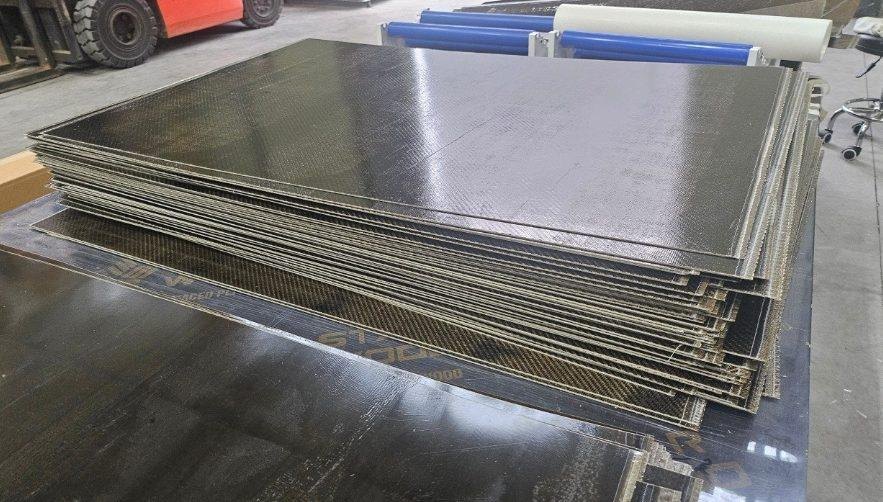
Thermoplastic carbon-fabric prepreg and laminate were produced and evaluated for tensile, flexural and interlaminar shear properties and fiber volume fraction.
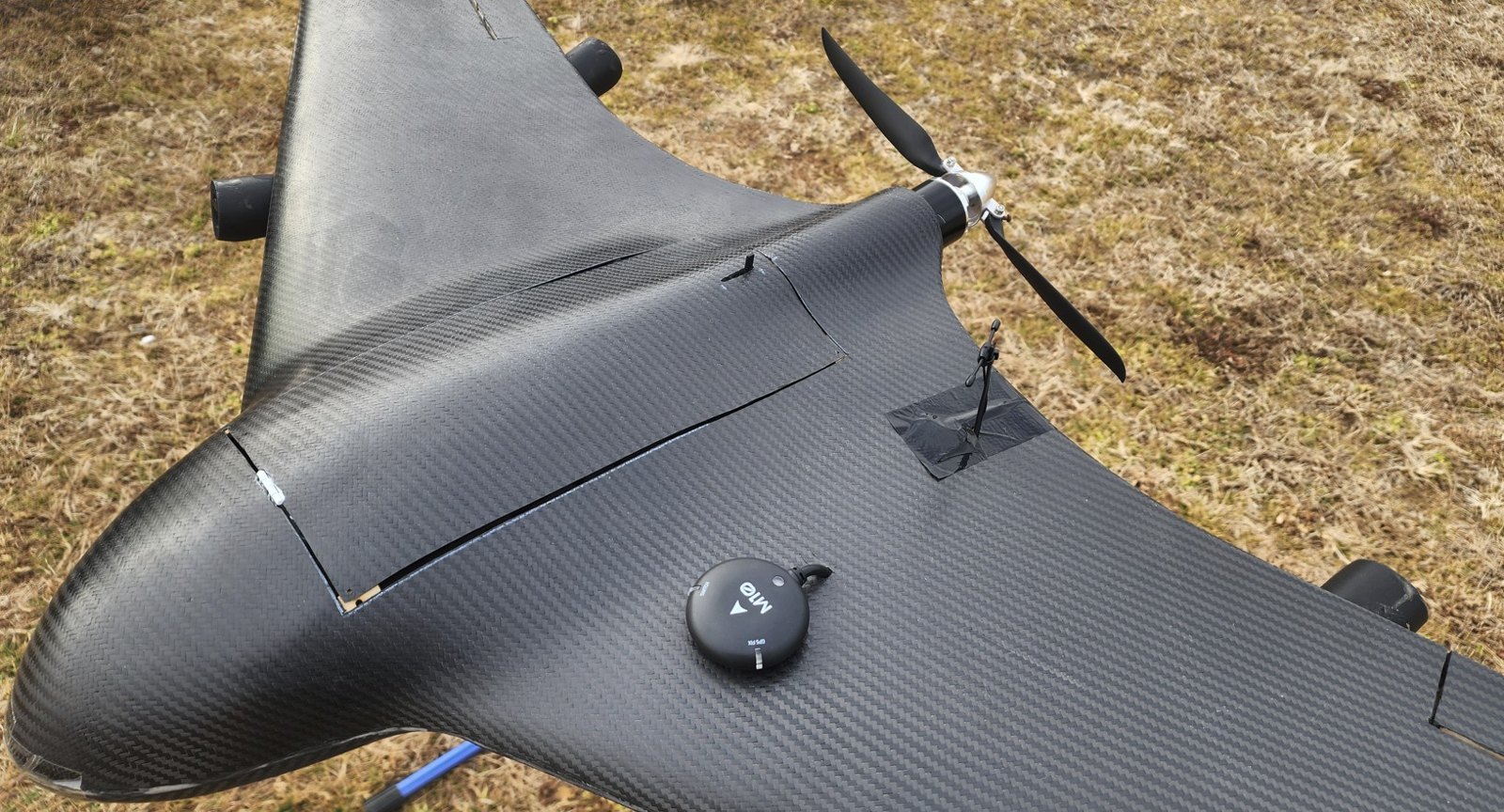
Airframe design and structural review connected material and layup choices with the forming approach. Development can address integrated airframes and individual structural components according to the design.
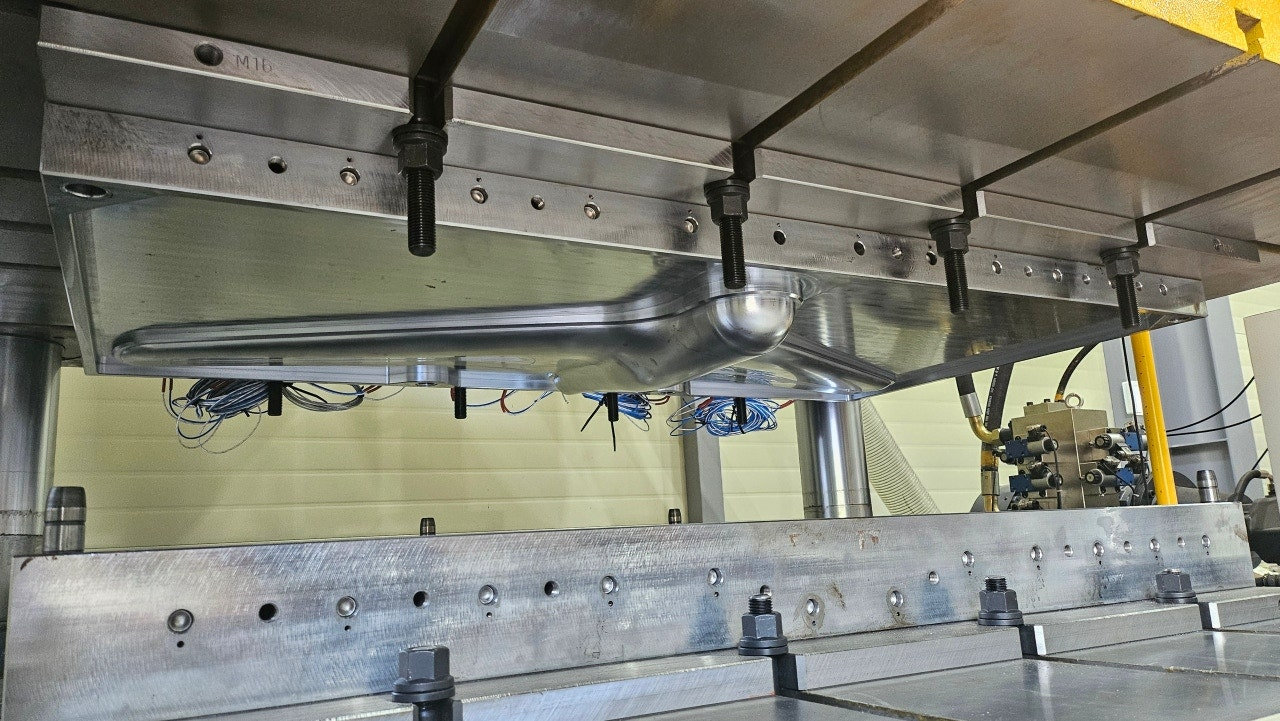
Compression tooling was designed and fabricated for the airframe geometry, including development of modular mold manufacture using 3D printing.
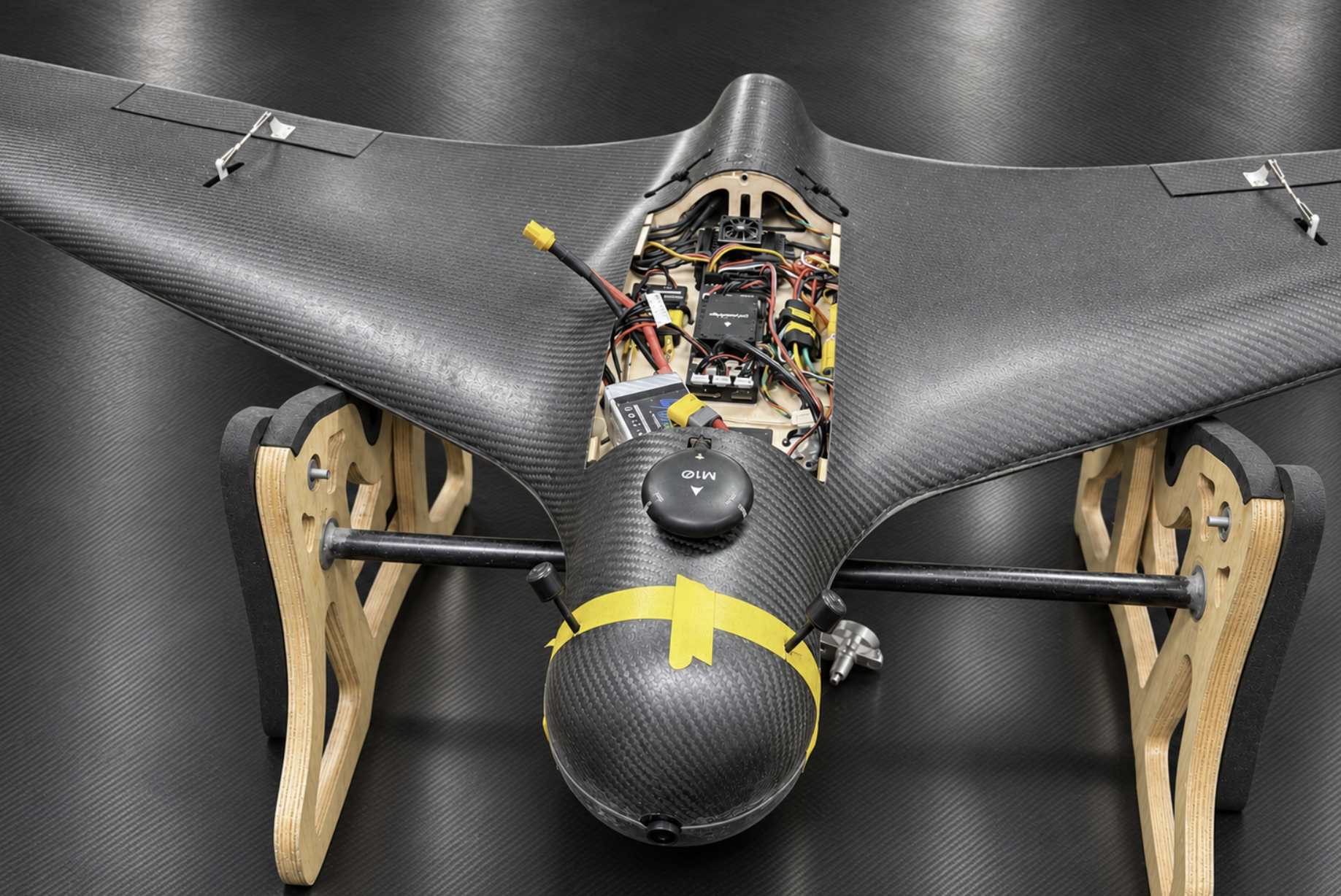
Thermoplastic composite compression forming produced airframe parts and connected to structural assembly.
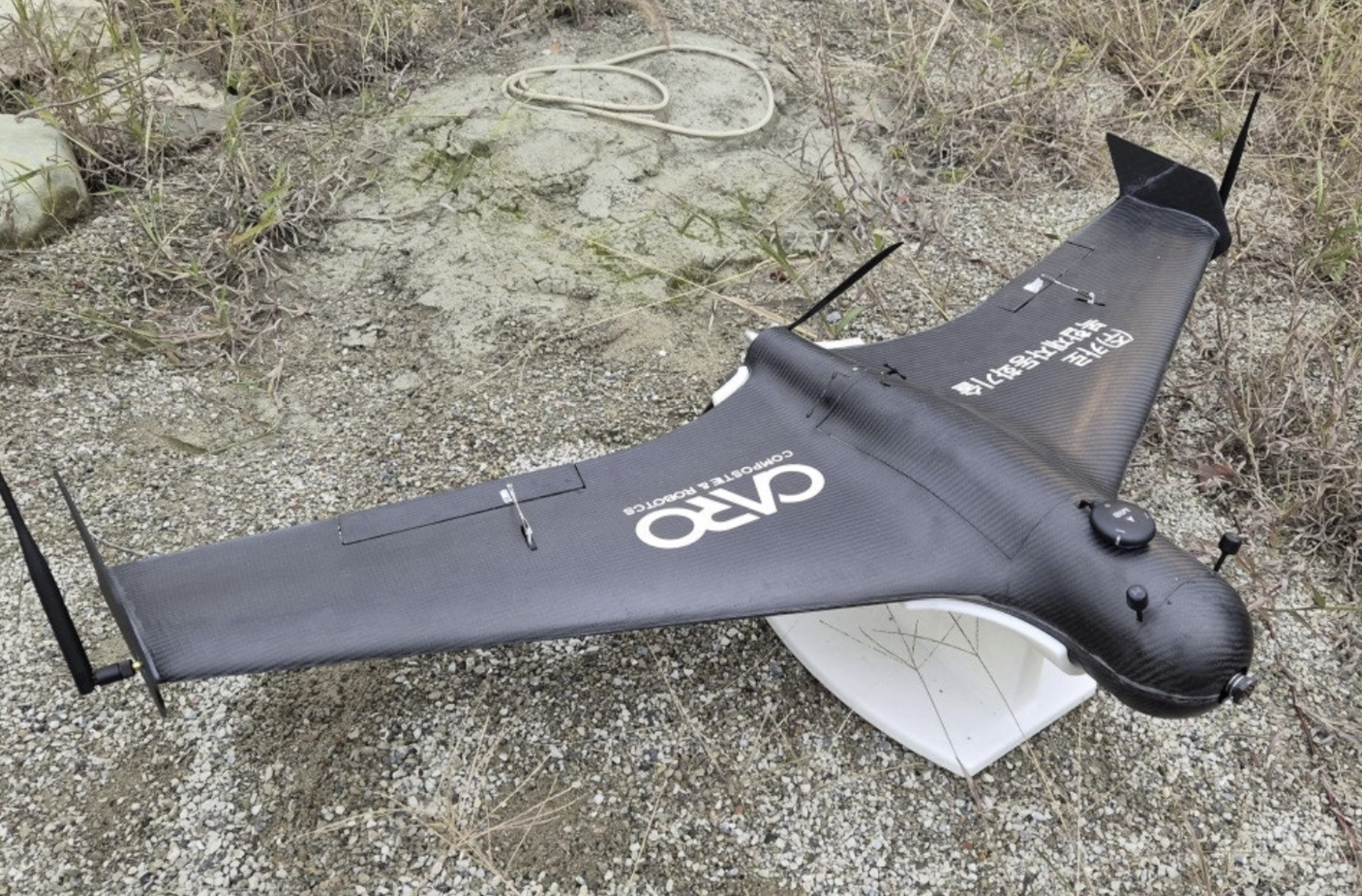
We evaluated the curvature fit and dimensional accuracy of the formed upper airframe, checking surface contact, edge alignment, distortion and fabric-pattern placement.
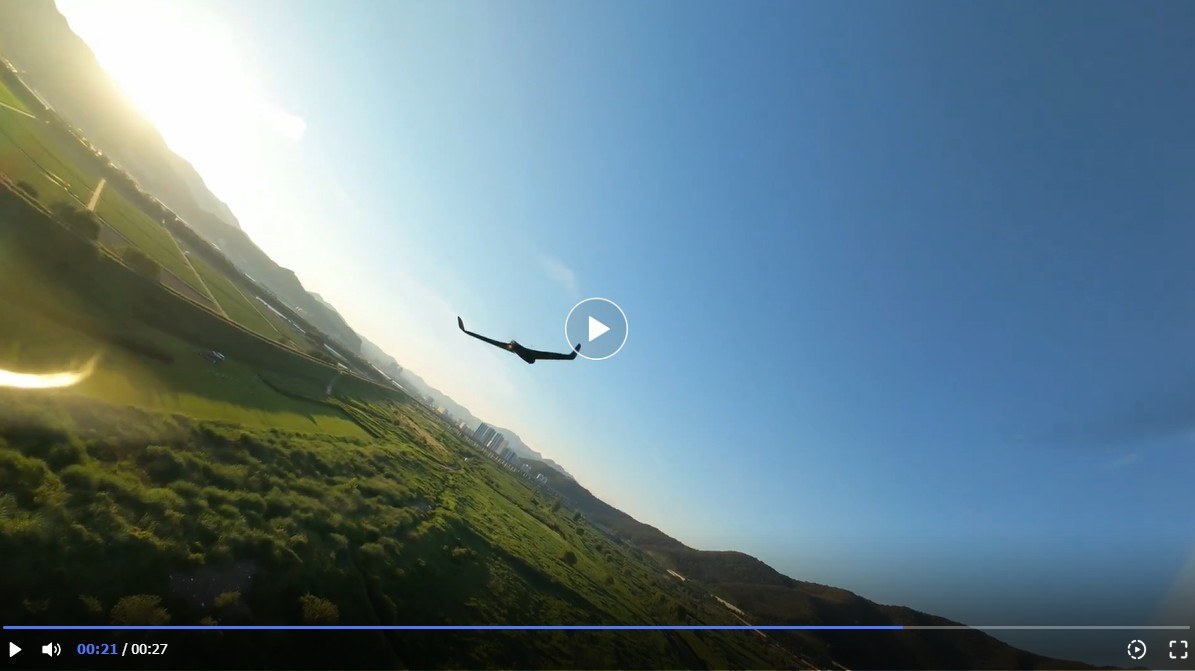
Actual flight testing followed prototype assembly.
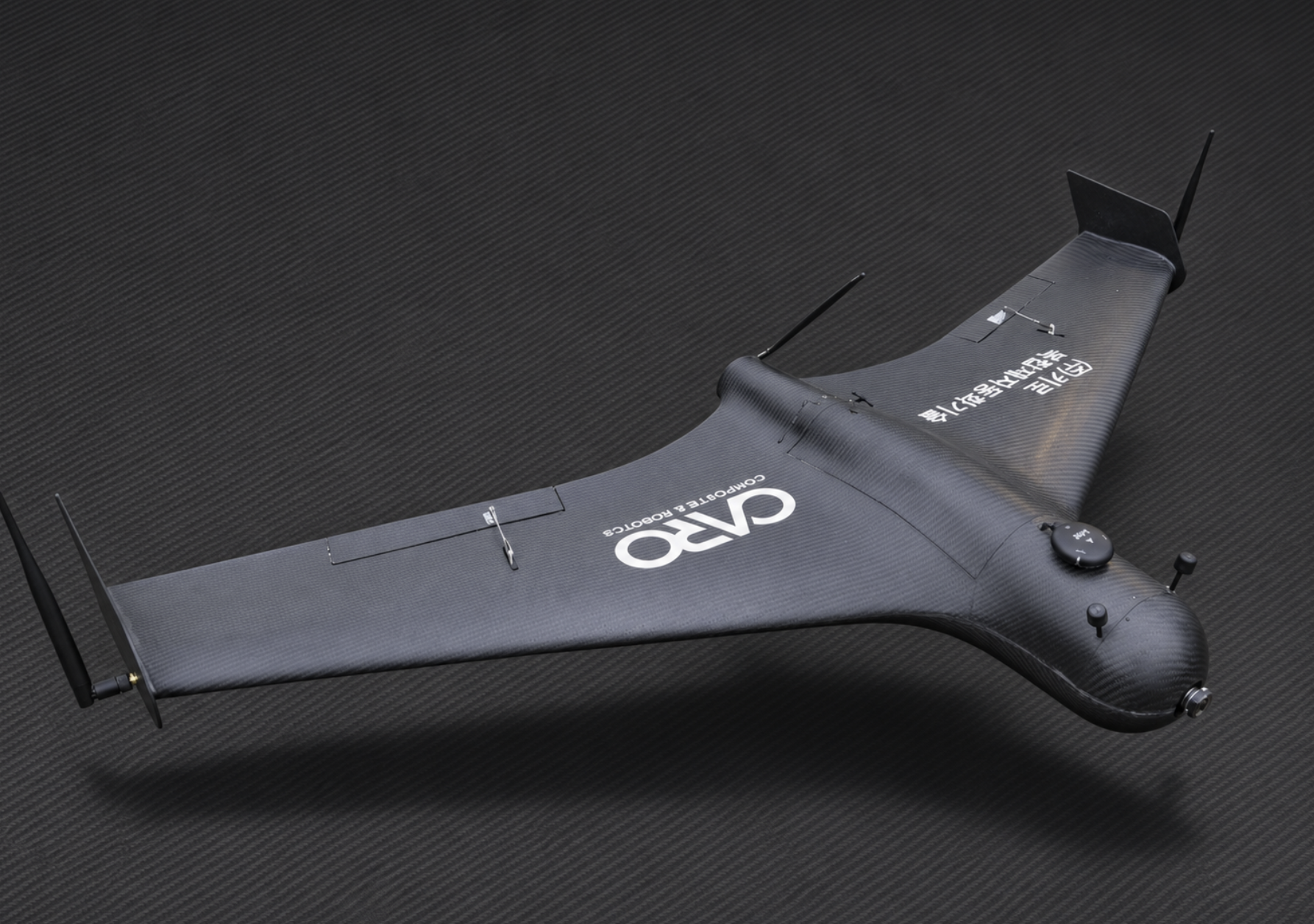
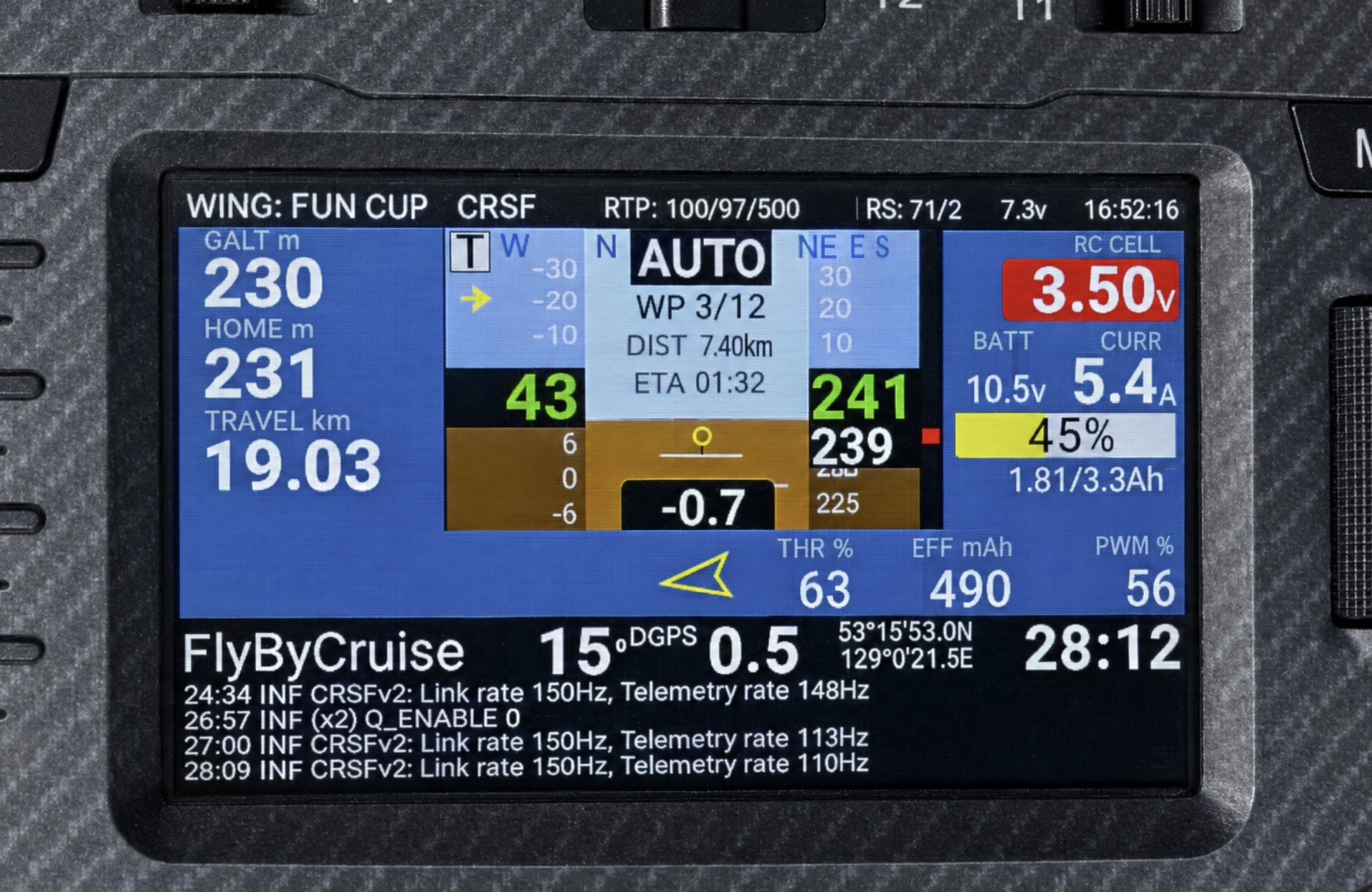
| Item | Flight Data |
|---|---|
| Flight Mode | FlyByCruise |
| Flight Time | 28 min 12 sec |
| Altitude (GALT) | 230 m (GPS) |
| Total Distance | 19.03 km |
| Ground Speed | 11 m/s 154.8 km/h |
Application No. 10-2025-0205829 · Filed December 22, 2025
Application No. 10-2026-0075602 · Filed April 27, 2026
The manufacturing-development experience informs material selection, layup design, tooling and prototypes, testing/evaluation and technical support for production transition. Direct mass production of customer products is not currently offered.
Future aerospace applications are considered on the basis of held patents relating to bulkheads and stringers. Certification and delivery claims require separate evidence.